
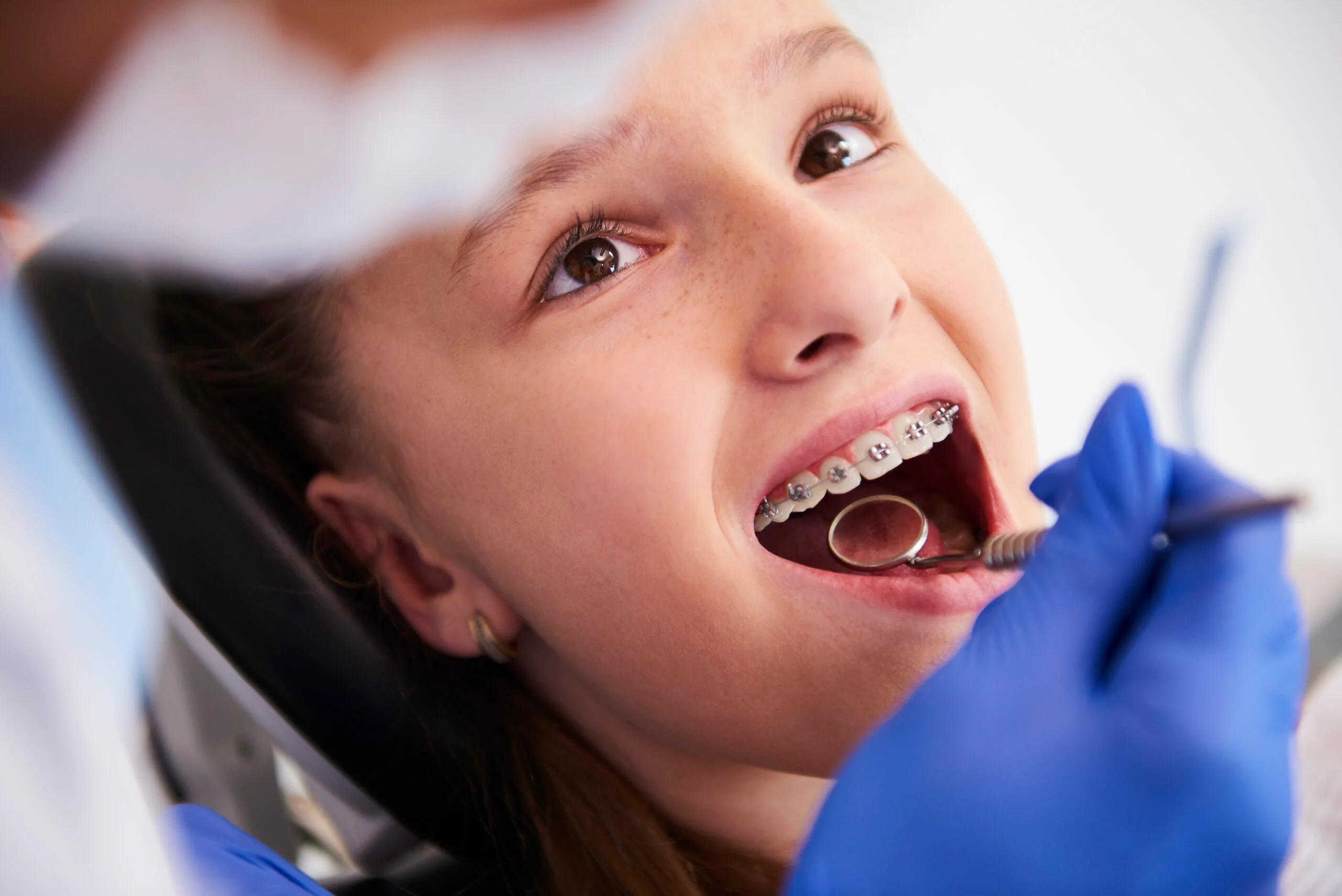
Orthodontics: Achieving Beautiful Smiles and Optimal Oral Health
A captivating smile can light up a room, exuding confidence and positivity.
Anterior open bite is the condition where the front teeth of
both the upper and lower jaws do not meet when the back teeth are clenched.
Very common in growing children and can affect chewing, speech, swallowing and
facial aesthetics.
Possible
causes of open bite:
There are multiple factors that can contribute to an open bite (i.e., dental or
skeletal).
Common Causes of Anterior Open Bite
1. Thumb Sucking and Pacifier Habits: Both causes of anterior open bite
because they exert pressure on the anterior teeth and have the potential to
alter the development of the anterior teeth.
2. Tongue Thrusting: The abnormal position of the tongue in the mouth
can be the cause for the anterior teeth to be pushed forward by the tongue
resulting in the lack of vertical overlap of the anterior teeth.
3. Mouth Breathing: Mouth breathing due to enlarged
adenoids or airway obstructions can lead to changes in the growth and
development of the face.
4. Genetics and skeletal influence: The presence of a vertical disphasic
tendency and increased vertical height of the lower third of the face can also
affect the development of an open bite.
5. Neuromuscular imbalance: An inadequate lipseal (due to uncoordinated
muscle activity of the facial musculature) can adversely impact the overall
positioning of the teeth and the growth of the jaws.
Orthodontic
Treatment
There are a number of factors to consider in developing an orthodontic
treatment plan for anterior open bites in children: age, severity of open bite,
and the cause of the open bite.
1. Habit
Interception
The elimination of thumb sucking and pacifier use is done through the use
of habit breaking appliances such as:
1.1 Palatal Crib: breaks thumb sucking habit and allows for a
spontaneous improvement.
2.
Myofunctional Therapy
Exercises that can help reposition the tongue, improve swallowing, and improve
lip function may be a viable option in correcting myofunctional issues, and it
may be helpful to work with the same speech therapists.
3.
Growth Modification
In growing children, orthodontists may use:
• Headgear
• Functional Appliances to inhibit facial growth in growing children.
•
Orthodontic Treatment Braces are used to align the teeth, close the bite and
improve occlusion.
• Temporary
anchorage devices (TADs) may assist in molar intrusion in some cases.
• Surgical
Treatment / Orthodontic surgery: In non-growing patients, severe open bite of
the skeleton may necessitate orthodontic surgery along with orthodontic
treatment.
Conclusion
Prompt diagnosis and treatment is essential in managing the anterior open bite.
Addressing unhealthy habits and directing the direction of facial growth during
childhood can dramatically improve a child’s function, appearance and long-term
occlusion stability.
Done by
Specialist Orthodontist
Dr. Ahlam Habib
A captivating smile can light up a room, exuding confidence and positivity.

The journey to a lifetime of oral health begins at an early age, and pediatric dentistry plays a crucial role in laying the foundation for healthy smiles.
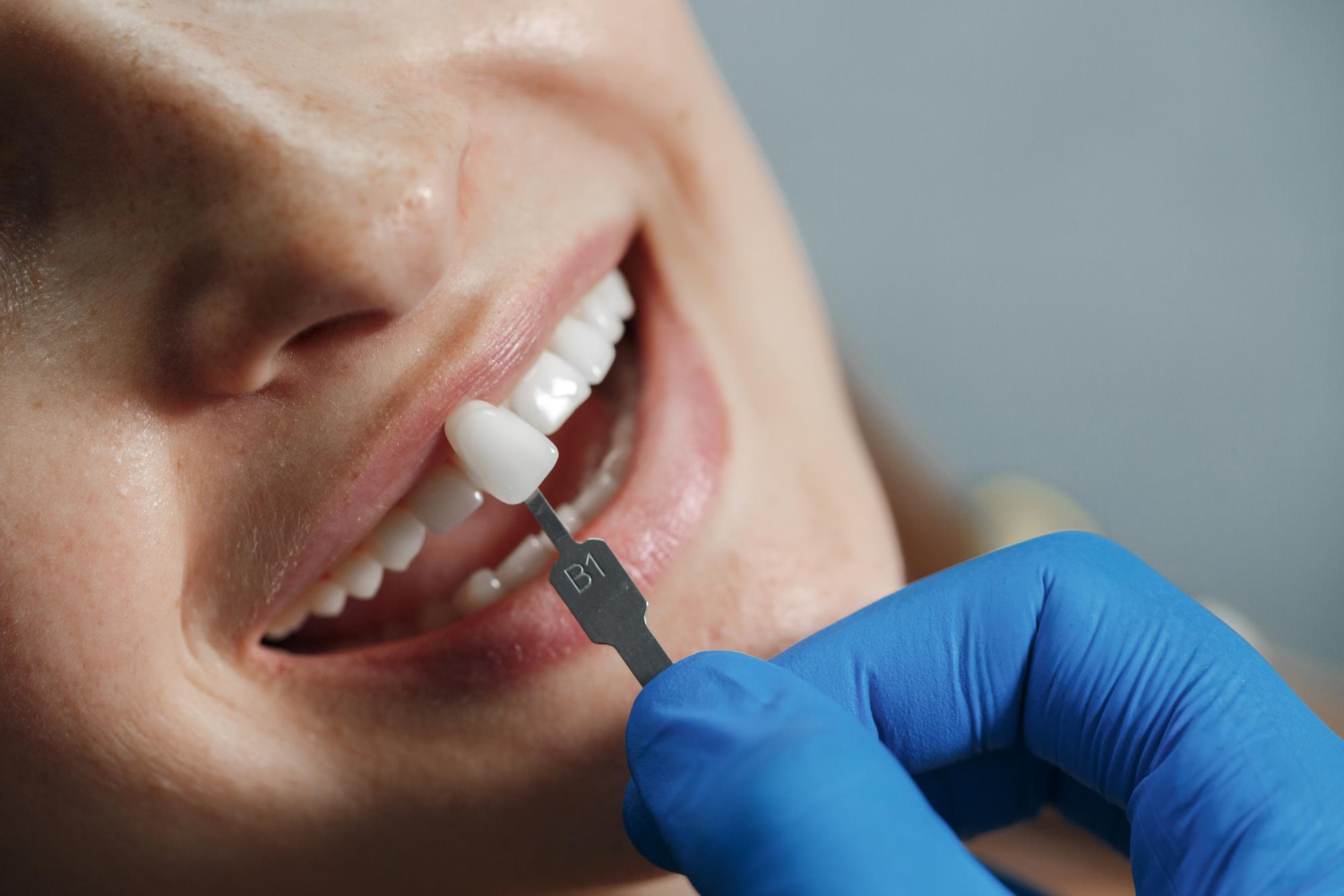
Imagine a world where missing teeth, impaired oral function, and compromised aesthetics are no longer a concern.